Solutions
Built for the people who carry a firm.
Firms with more work than people, practitioners placing a failed firm's cases, the officers who answer for a firm, and the fee earners who would rather be with their clients.
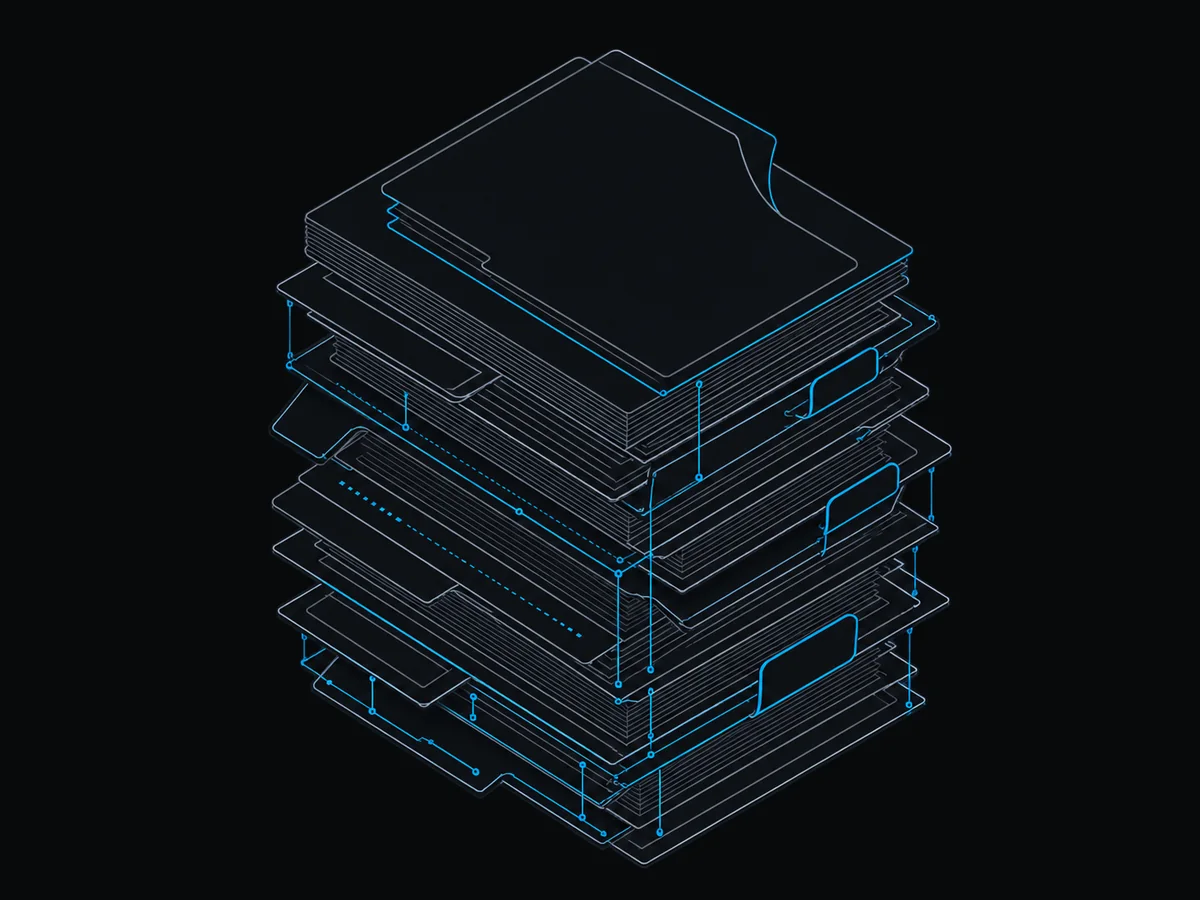
More work than people.Every file still read.
When the work outgrows the team, files go quiet and clocks run unseen. Caseforth reads every file every day, prepares the work each one needs, and brings the team only what needs them.
Every clock kept
Limitation, court directions, and replies owed, counted to the day on every matter, not only the ones someone opened this week.
The work prepared
Chasers, requests, letters, and claim forms drafted from the file and waiting for review.
Capacity without the backlog
The team spends its time on decisions and clients, and the book moves forward at the pace it needs.
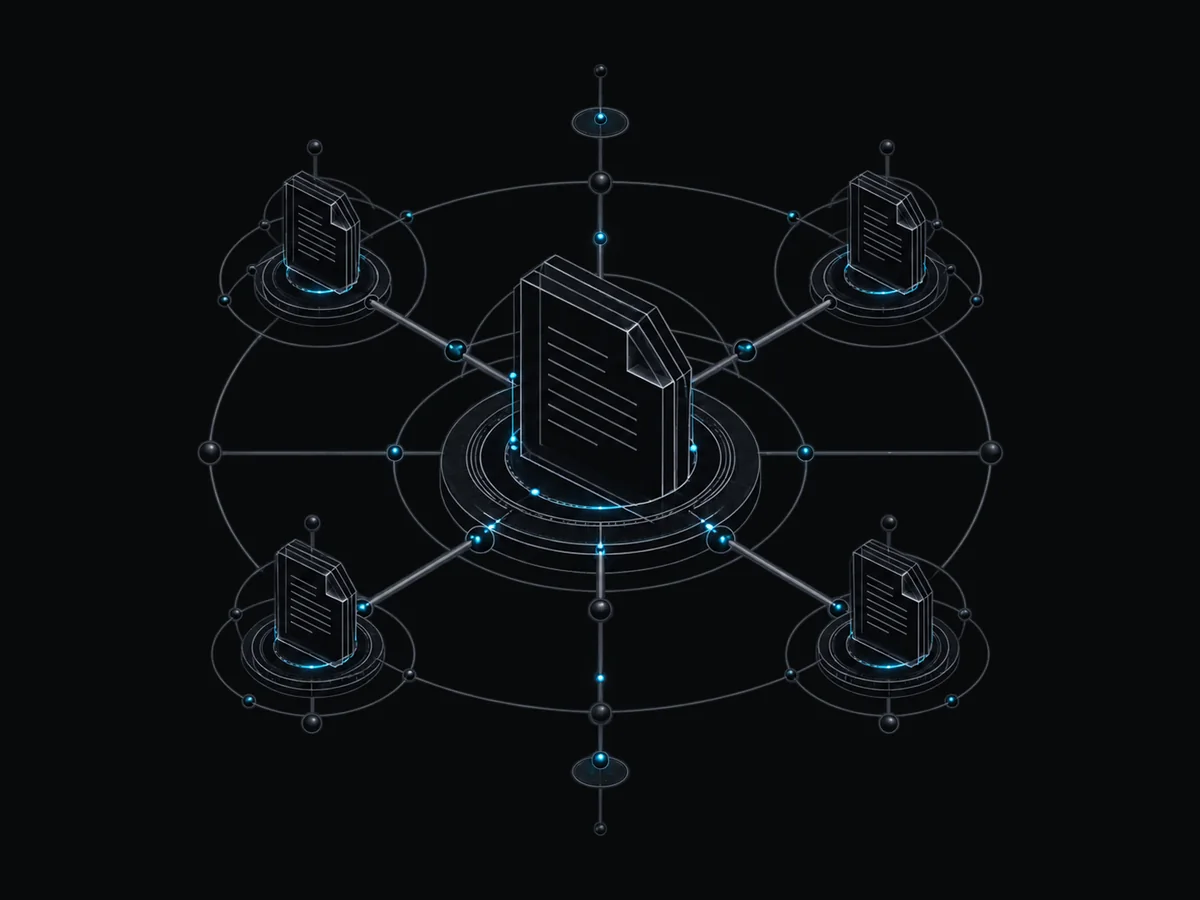
Place a failed firm's cases with their risks known.
When a firm fails, its clients' clocks keep running. Caseforth reads the whole book, finds the limitation dates and live obligations, and sets out each matter's position, so cases reach a new home with their risks known rather than discovered.
Every limitation date found
Read from the documents themselves, not from a practice system nobody has updated.
A position for every matter
What is true, what is owed next, and why, for each file in the book.
A book ready to move
The receiving firm starts with the reading done and the urgent work first.

For the officers who answer for the firm.
The COLP and COFA carry the firm's compliance on top of their own work. Caseforth keeps the record they need from the files themselves, and brings them the exceptions, not the admin.
Client care kept
Every client contact and every unanswered question, measured from the file, so no client waits unseen.
Money reconciled to the file
Settlement sums due and paid, and disbursements incurred, checked against what the documents say.
Supervision from one record
Who read what, what changed, and what a person decided, in one place for review and audit.
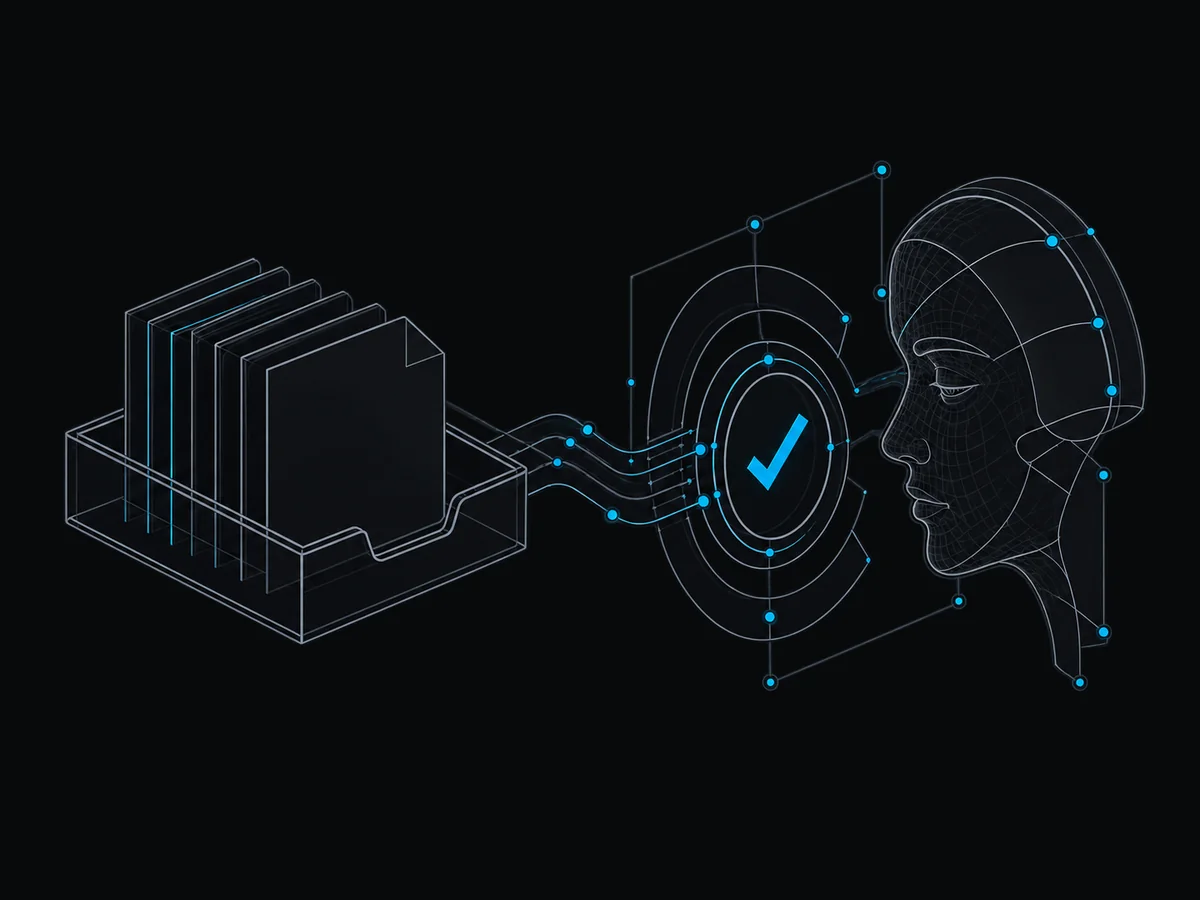
More time with clients.Less time typing.
Fee earners came into law to advise people, not to type out technical letters of claim. Caseforth drafts from the file, with every point traced to its page, so their time goes on judgement and on the client.
Drafts that start from the file
Letters of claim, witness statements, and requests prepared with the evidence already in place.
Read, tweak, send
The fee earner brings the insight: reading, correcting, and deciding, which is where their experience counts.
Time back for clients
The hours saved on drafting go into the calls and the care clients remember.
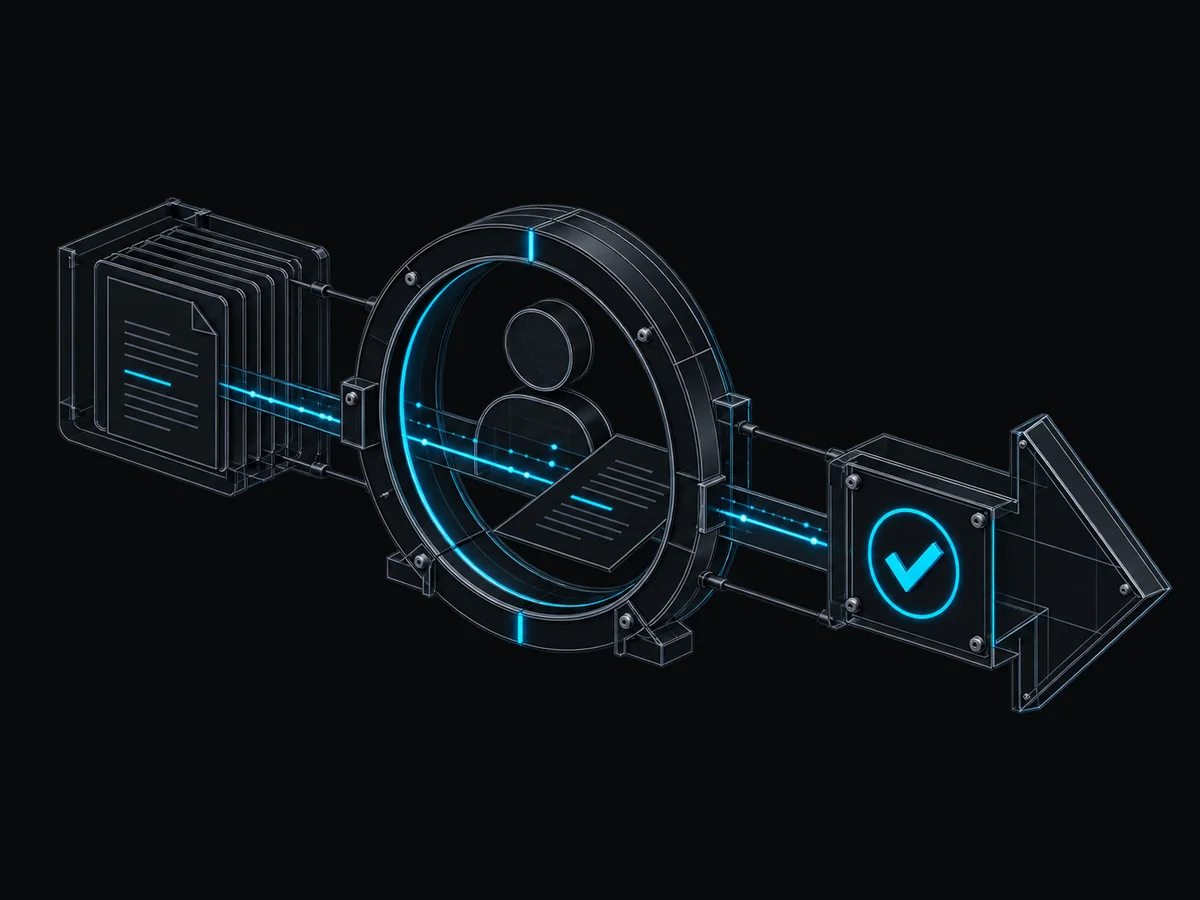
Clients should pay for judgement, not typing.
Clients rarely mind paying for a lawyer's time and wisdom. They should not be paying for the hours a lawyer spends typing, often with two fingers. When the draft arrives prepared, the lawyer's time goes where it is worth most, and the bill can follow the value.
- Finding the documents.
- Typing the letter out.
- Formatting and checking references.
- Reading and deciding.
- Advising the client.
- Reading what has been prepared.
- Deciding what the case needs.
- Correcting with the lawyer's insight.
- Advising the client.
- Far less time drafting from scratch, even with a precedent.


Read the whole book.Move every case forward.
Caseforth is taking on a small number of firms. If yours could be one, we would like to talk.