Agents
Agents that work without being asked.
Every AI tool a firm can buy today waits for a prompt. Caseforth's agents do not. They read the book, decide what each matter needs, do the work, and bring it to the people who own it.
From a letter arriving to a draft in review.
A reply lands at 16:50 on a Friday, after the fee earner has gone. By Monday morning it has been read, its effect on the claim worked out, and the letter it changes rewritten and waiting for them. The agent knew the work was needed before anyone thought to ask.
- A letter arrived in the shared mailboxFrom the executors' solicitors, 3 pages. Routed to HL-0131 by sender and reference.16:50
- Read it against the whole fileThey now accept the house was undervalued by £85,000 (page 2).16:51
- Checked every clock the letter touchesLimitation unchanged: 14 November. Their reply was due 28 August; now answered.16:51
- Worked out what is now owedThe concession moves the s.3 needs figure. The claim letter must be updated before it goes.16:52
- Prepared the updated letter of claimHouse style, twelve exhibits, every authority checked against the register.16:58
- Brought it to Ruth Mensah for reviewIn the review folder for Monday, with the reasons and the pages it relied on. Not sent.16:59

Read
Every new letter, email, order, and scan is read against the whole file, the day it arrives.
Decide
The agent works out what the matter is now owed: a reply, a chase, a claim, a request for evidence.

Do
It does the work: drafts the letter, updates the figures, counts the clock, routes the mail.
Surface
It brings the finished work to the right person, with its reasons and the pages it relied on.
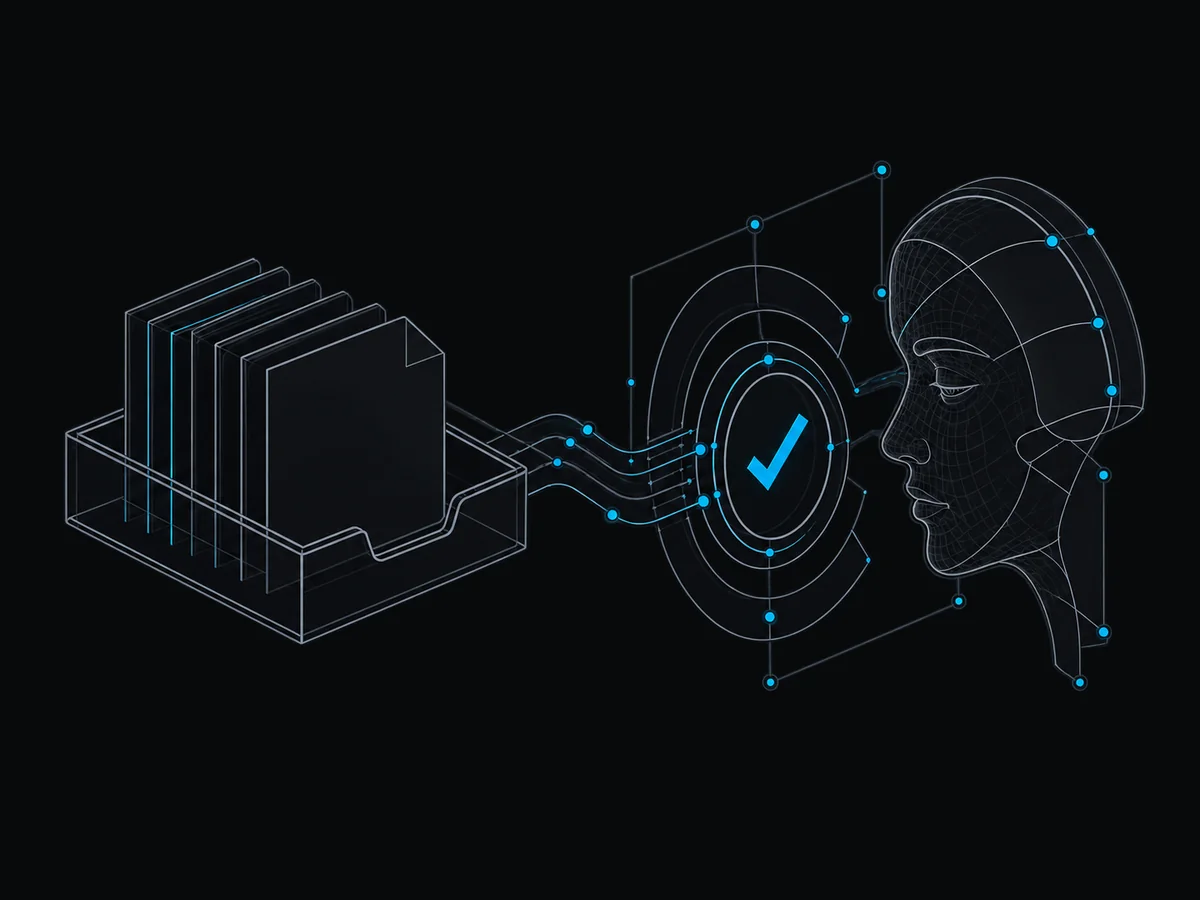
Models from different labs check each other.
Solicitors consult each other because a second mind catches what the first missed. One model reads and proposes, another from a different lab challenges it, and they settle the call before it reaches a person.
Propose closing HL-0118. The settlement was agreed on 12 August and the file has gone quiet.
Challenge. The consent order, paragraph 3, requires £10,000 by 28 August. Nothing on file shows it was paid. Closing now would hide an unpaid settlement.
Agreed on the evidence. No receipt in the ledger or the correspondence. Changing the step to: confirm payment with the other side, and enforce if unpaid by 13 October.
Agreed. The reason and both readings go with it.
Challenged against the evidence
A proposal to close a file has to survive a second reading of the file itself.
Disagreements reach a person
Where the two do not settle, both readings arrive, with the point in dispute.

Never its own reviewer
A model never checks its own work. The second opinion always comes from another lab.
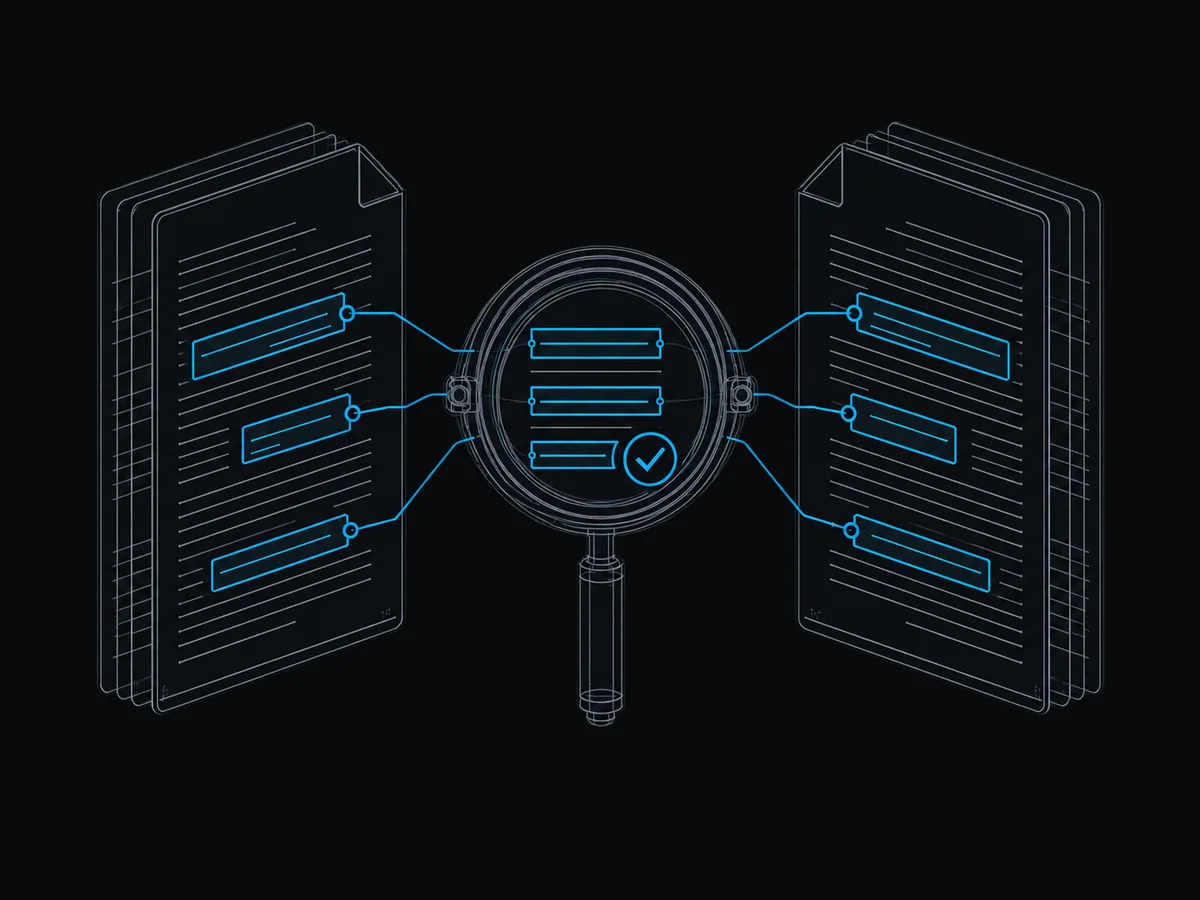
Gainsay tests both sides.
Most agents are built to be agreeable, which is not the same as running a case well. Gainsay reads the other side's statements, letters, and expert reports, and our own drafts, and tests every assertion against the file.
¶12“The deceased managed her own finances until 2023.”
ContradictedA bank mandate gave the defendant control of her accounts from March 2021.
¶18“The will reflected her long-held wishes.”
Not provedThere is no earlier will, letter, or note of instructions on file to show those wishes.
¶21“The house was worth £420,000.”
ContradictedTheir own solicitors accepted on 26 September that it was undervalued by £85,000.
¶24“I paid the care home fees from 2022.”
SupportedThe bank statements show a standing order to the care home from April 2022.
Contradictions
Where their statement disagrees with itself, or with the documents on file.
Gaps
What they assert but have not proved.
Where we win
Each point with the evidence that answers it, ready for the reply.
Our weak points
Run on our own drafts, it shows where our case needs shoring up before the other side finds it.
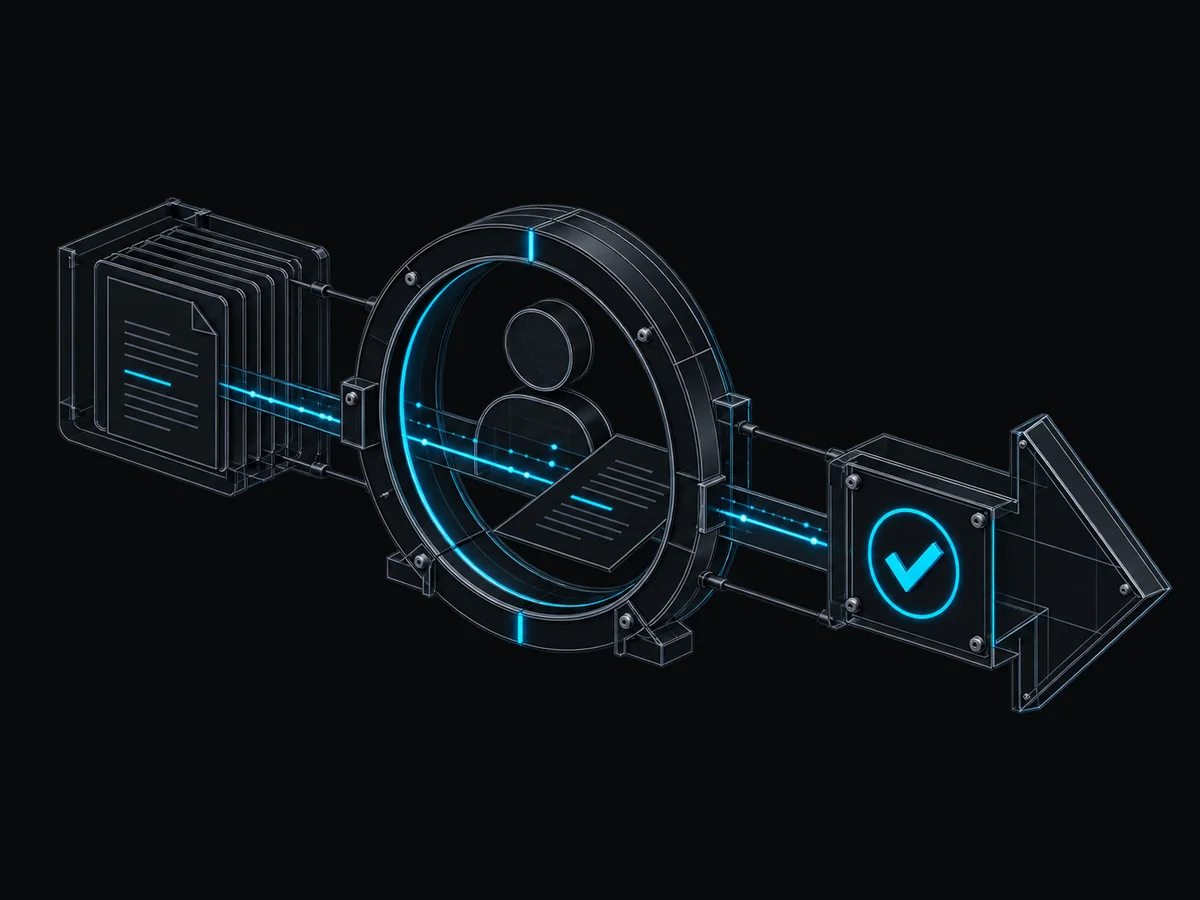
Agents do the work.People own what leaves the firm.
The line is drawn by effect, not by task. Anything reversible and inside the firm, agents do. Anything that reaches outside it waits for a person.
- Read every document and keep the reading.
- Keep every clock: limitation, orders, replies, rules of court.
- Draft letters, requests, claim forms, and statements to review.
- Route mail to the right matter and file what arrives.
- Reopen their own work when the file changes.
- Sending anything outside the firm.
- Filing and serving at court.
- Taking instructions and giving advice.
- Moving money and recording time.
- Every decision that is theirs by law.

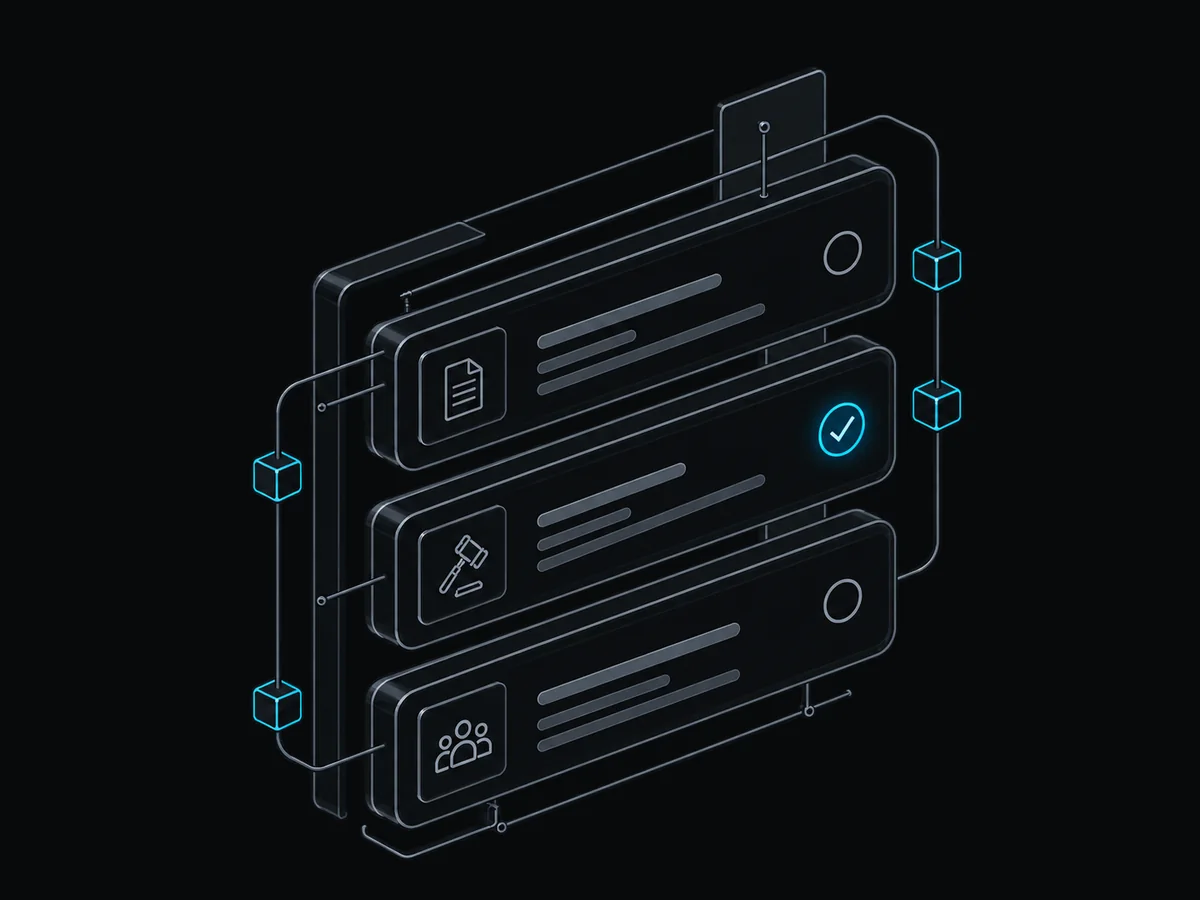


Let the file do the asking.
Caseforth is taking on a small number of firms. If yours could be one, we would like to talk.